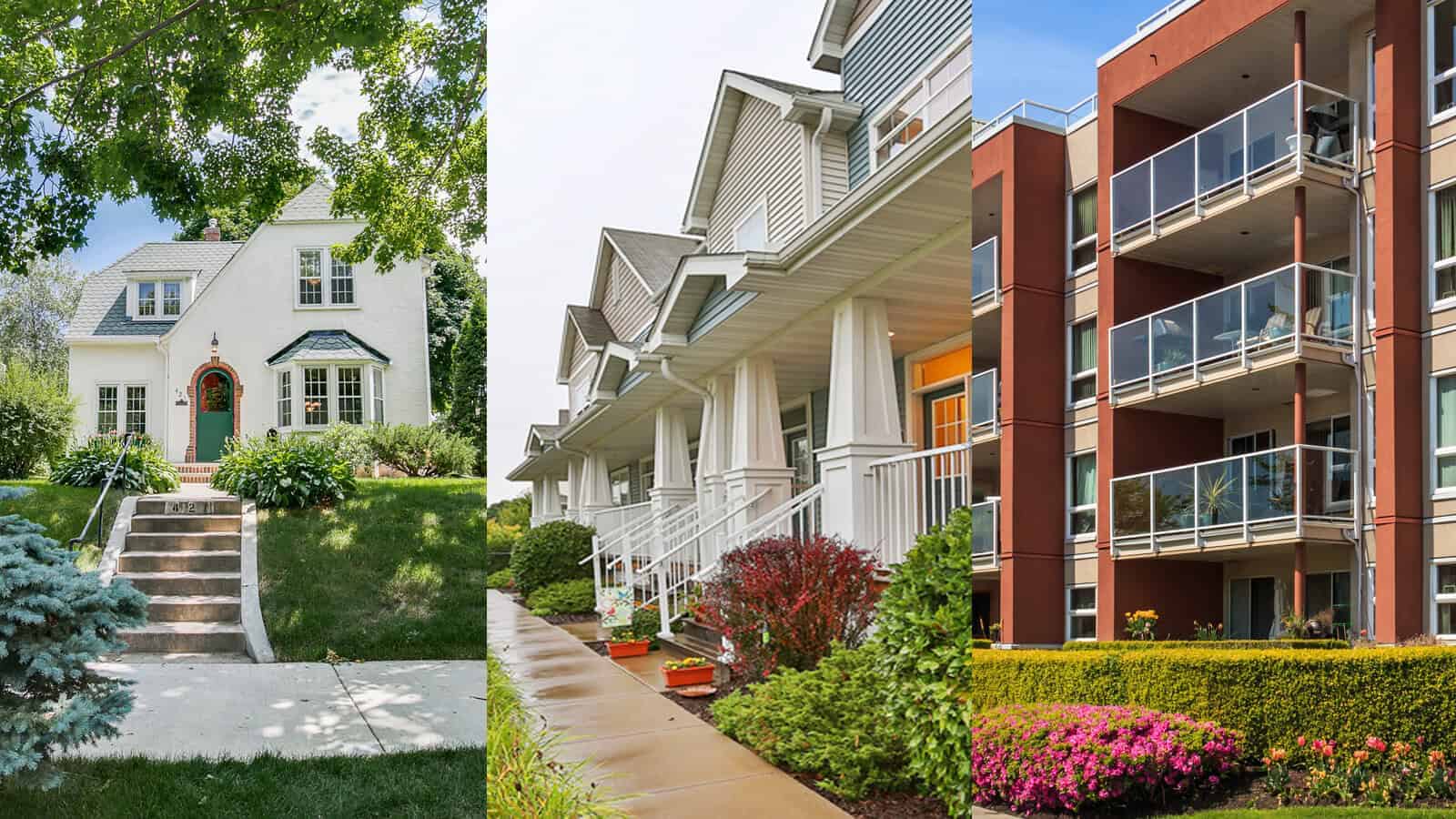

Homeowners face a common crossroads: deciding whether to invest in renovating their current home or to move somewhere new. This decision isn’t just about square footage or finishes—it’s about lifestyle fit, financial reality, and long-term peace of mind. Understanding the trade-offs upfront can turn a stressful fork in the road into a confident next step.
Key Considerations
- Renovating often makes sense when you love your location but need better functionality or comfort.
- Moving may be the cleaner solution if your home can’t reasonably adapt to your future needs.
- Costs go beyond price tags; time, stress, and disruption matter just as much.
- Financing flexibility can shift the balance toward staying put.
Emotional and Lifestyle Factors That Matter
A home is more than an asset; it’s a setting for daily life. Attachment to neighbors, schools, commute patterns, and familiar routines can be powerful reasons to stay. Renovation allows you to keep those anchors while adjusting the physical space around you.
On the other hand, some frustrations aren’t fixable with construction. If the neighborhood no longer fits your stage of life, or if the home’s layout fights how you actually live, a move can feel like a reset rather than an escape.
Comparing the Financial Realities
Numbers often decide what emotions cannot. The table below outlines how the two paths often differ from a cost perspective.
| Factor | Renovating | Moving |
| Upfront Costs | Project-based, scalable | Down payment, closing, moving |
| Long-Term Equity | Improves current asset | Depends on market timing |
| Hidden Expenses | Delays, overruns | Repairs, taxes, commissions |
| Financial Predictability | Moderate | Often lower |
When Flexible Financing Tips the Scale
For many homeowners, the decision hinges on how to pay for improvements without overextending. A home equity line of credit can open doors that otherwise feel closed. With a HELOC, you can tap into the value you’ve already built while keeping your existing mortgage intact. This option often comes with lower interest rates than personal loans and may offer tax advantages when funds are used for qualifying upgrades. It also allows access to larger sums over time rather than all at once. That flexibility can make targeted renovations—like kitchens, bathrooms, or energy upgrades—far more manageable.
Practical Limits of Renovation
Not every home is a good renovation candidate. Structural constraints, zoning rules, or aging systems can push projects into diminishing returns. If expanding or modernizing requires extreme compromises, moving may be the more efficient solution.
There’s also the disruption factor. Living through months of construction tests patience and routines. For some homeowners, that temporary chaos outweighs the long-term benefits.
A Reality-Check Process for Deciding
Use the following steps to ground your choice in clarity rather than impulse:
- Define your non-negotiables for space, location, and lifestyle.
- Get realistic cost estimates for both renovating and moving.
- Assess how long you plan to stay in the home after either decision.
- Consider financing options and monthly cash flow impact.
- Weigh emotional attachment against practical limitations.
Smart Questions Homeowners Ask
Before making a final call, many homeowners want concrete answers that reduce uncertainty.
Is renovating always cheaper than moving?
Not always, but it often is for moderate upgrades. Large-scale renovations can approach the cost of buying, especially if surprises emerge. A side-by-side cost comparison is essential.
How long should I plan to stay after renovating?
Most experts suggest at least five years to recoup renovation costs. Shorter timelines may limit the financial upside. Lifestyle satisfaction still matters, but resale timing is key.
Can renovations increase resale value enough to matter?
Some projects, like kitchens and bathrooms, tend to offer stronger returns. Others are more about comfort than profit. Knowing your local market helps prioritize wisely.
Is it risky to borrow against home equity?
It depends on discipline and planning. Responsible borrowing for value-adding improvements is common. Overextending without clear payoff increases risk.
What if my needs might change again soon?
Uncertain future plans often favor flexibility. Smaller renovations or waiting may be wiser than major commitments. Moving can also offer adaptability if needs shift quickly.
Should I talk to professionals before deciding?
Yes, and more than one type. Contractors, real estate agents, and financial advisors each see different risks. Combined perspectives lead to better decisions.
Conclusion
Choosing between renovating and moving is ultimately about alignment—between your home, your finances, and your future. Renovation rewards those rooted in place and open to transformation, while moving favors clean starts and structural change. Neither path is universally right, but one will fit your situation better than the other. With clear priorities and realistic numbers, the right answer usually becomes obvious.
Guest Post by Laura Carlson