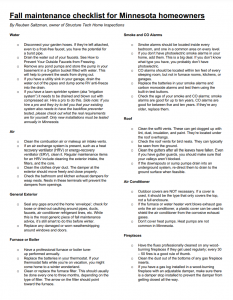
Fall is officially here, so it’s time to get your house ready for winter. We’ve compiled a comprehensive list of fall home maintenance tasks to help you remember everything you need to do as a Minnesota homeowner.
Water
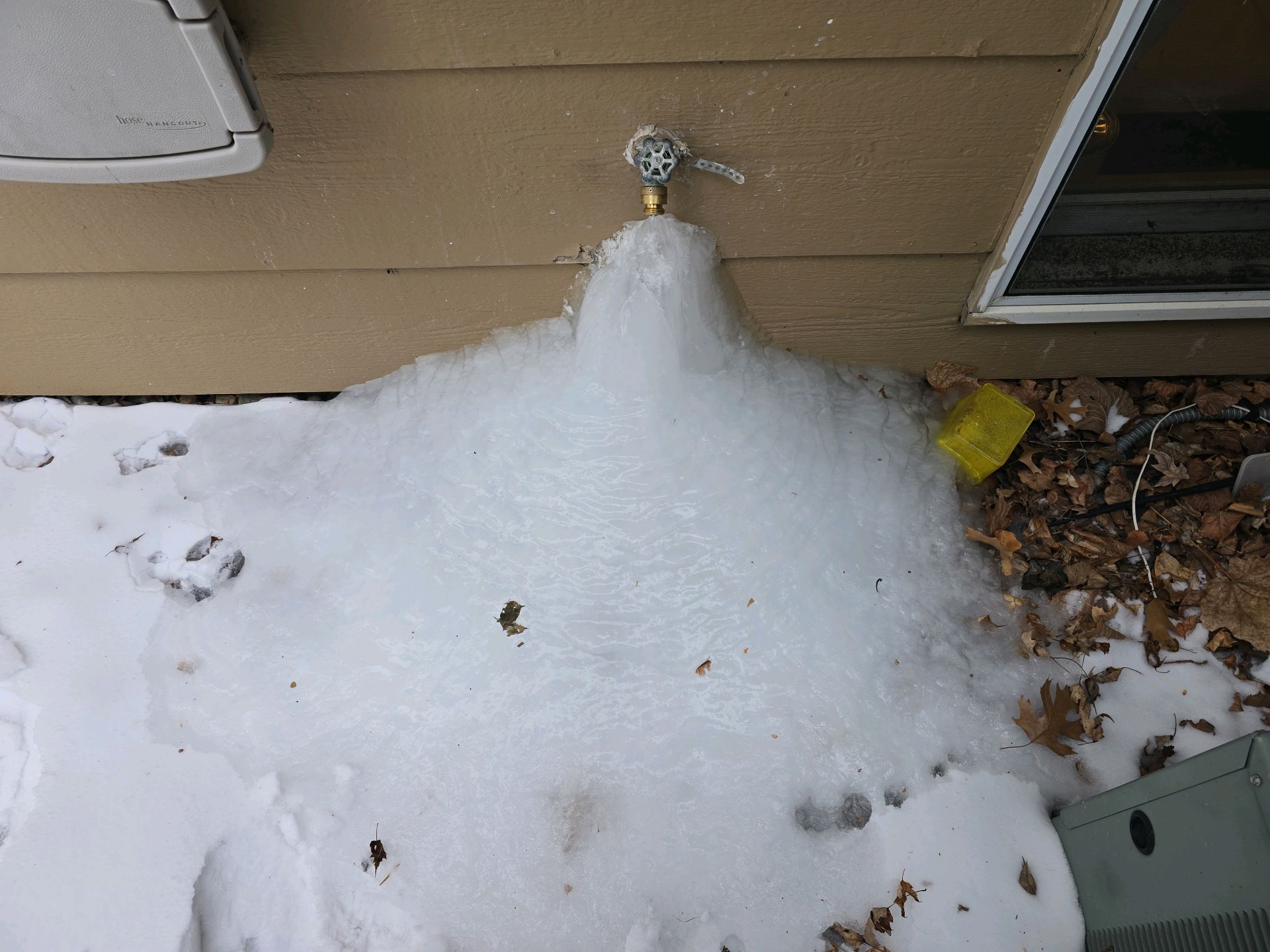
- Disconnect your garden hoses. If you leave them attached, even to a frost-free faucet, you risk a burst pipe.
- Drain water from your faucets. See How to Prevent Your Outside Faucets from Freezing.
- Remove any pond pumps and store them in your basement in a 5-gallon bucket filled with water. This will help prevent the seals from drying out.
- If you have a utility sink in your garage, drain the pipes and pour some RV antifreeze into the drain.
- If you have a lawn sprinkler system (aka “irrigation system”), drain it and blow it out with compressed air. Hire a pro to do this.
- Side note: If you hire a pro and they tell you your existing system also needs the backflow preventer tested, check the real requirements yourself: New backflow preventer testing requirements for Minnesota.
Air
- Clean the combustion air or makeup air intake vents.
- If you have an air exchange system, such as a heat recovery ventilator (HRV) or energy-recovery ventilator (ERV), clean it. Regular HRV/ERV maintenance includes cleaning the exterior intake, filters, and core. See HRV maintenance.
- Clean the clothes dryer duct. The exterior damper should move freely and close properly. See dryer duct maintenance.
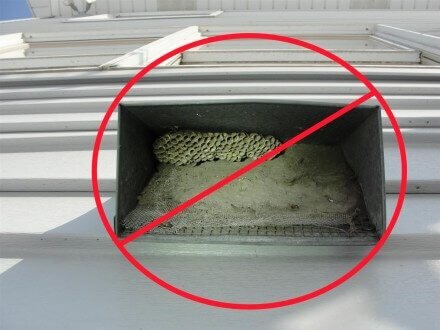
- Check the bathroom and kitchen exhaust dampers for wasp nests. Nests in these terminals will prevent the dampers from opening. See Bath Fan Terminal Inspections.
Roof
- Clean the soffit vents. They are located under the roof overhangs and can become clogged with lint, dust, insulation, and paint.
- Check the roof vents for bird nests. You can typically see them from the ground.
- Clean the gutters after all the leaves have fallen. Even with gutter guards, make sure your valleys aren’t blocked.
- If the downspouts or sump pumps drain into an underground system, redirect them to drain to the ground surface when feasible. See Sump Pump Discharge.
Air Conditioner
- Outdoor covers are NOT necessary. If you want a cover, get one that covers the top of the unit, not a full enclosure.
- If the furnace or water heater vent blows exhaust gas onto the air conditioner, a plastic cover can shield it from the corrosive exhaust gases.
- Don’t cover heat pumps. Heat pumps are not common in Minnesota, but they’re increasing in popularity.
General Exterior
- Seal gaps around the home ‘envelope’ and check for loose or dried-out caulking around pipes, ducts, faucets, air conditioner refrigerant lines, etc. While this is the most generic piece of fall maintenance advice, it’s still smart to do it before winter.
- Replace any damaged or worn weatherstripping around windows and doors.
Smoke and CO Alarms
- Smoke alarms should be installed inside every bedroom, in the hallway or area outside the bedrooms, and on every level, including the basement.
- If you don’t have photoelectric smoke alarms, add them. This is a big deal. If you don’t know your type, you probably don’t have photoelectric smoke alarms.
- Place CO alarms within ten feet of every sleeping room, but not in furnace rooms, kitchens, or garages.
- Replace the batteries in your smoke alarms and carbon monoxide alarms, unless they have sealed 10-year batteries.
- Test your smoke and CO alarms by pushing the test button.
- Check the age of your smoke and CO alarms; they last 10 years. If they’re older, replace them.
Furnace or Boiler
- Have a professional tune up your furnace or boiler annually. See Are Annual Furnace Inspections Really Necessary?
- Replace the batteries in your thermostat. If your thermostat fails while on vacation, you might come home to a winter wonderland.
- Clean or replace the furnace filter. This should usually be done every one to three months, depending on the type of filter. The arrow on the filter should point toward the furnace.
Fireplaces
- Have the flues professionally cleaned on any wood-burning fireplaces if used regularly; every 30 – 50 fires is a good rule of thumb.
- Clean the dust out of the bottoms of any gas fireplace inserts.
- If you have a gas log installed in a wood-burning fireplace with an adjustable damper, make sure a damper stop is installed to prevent the damper from closing all the way. See My Beef With Old Gas Log Fireplaces.
Want this in a pdf? Huge thanks to Roger Tetzlaff for compiling this list in a printer-friendly format.