
For professional families with children and pets, a job offer that looks great on paper can trigger a pile-up of career relocation challenges at home. In a dual-career household move, the core tension is timing: work start dates collide with school decisions, pet care rules, housing logistics, and the emotional load of keeping everyone steady. Most of the stress comes from trying to solve everything at once, then reacting when a detail slips. A few relocation planning basics can turn stress management in job moves into a calmer, more coordinated process.
Pre-Move Checklist for Families and Pets
To stay coordinated and calm: This checklist helps you sequence the biggest decisions first, so work, school, and pet needs don’t compete at the last minute. Use it as a weekly scan to spot blockers early and keep momentum without burning out.
✔ Confirm start date flexibility and key onboarding deadlines
✔ Build a relocation budget with buffers for deposits and pet fees
✔ Compare housing options against commute, schools, and pet rules
✔ Reserve movers, storage, or a truck and lock the timeline
✔ Gather school, childcare, and medical records in one folder
✔ Schedule vet visits, vaccines, microchip updates, and travel plans
✔ Create a packing plan by room with “first week” essentials boxes
✔ Assign owners for each task and set weekly check-in reminders
Check these off, and your move starts feeling manageable.
Turn the Move into a Career Reset—Without Overloading Your Family
Once your pre-move checklist is in motion, you can also use this transition as a natural moment to invest in your next career step. A relocation often creates a clean break in routines, making it easier to revisit goals like going back to school, so long as you plan it alongside real-life family logistics such as school and work schedules, childcare coverage, and any in-person residency or clinical requirements. Look for an online program that fits your planned trajectory; for example, if you’re an RN, earning a master’s to become a family nurse practitioner can open doors to better hours and pay, and an accredited online FNP program can be a flexible way to pursue that path. Online programs can be especially helpful when you’re working full-time because you can keep earning an income while studying on a schedule that doesn’t upend your household.
Pick the Right Neighborhood and Lock In Housing Early
Where you live will shape your commute, your family’s day-to-day rhythm, and how much time and money you have left for career growth. Use a simple, repeatable process to compare neighborhoods, and start your housing plan early enough that you’re choosing, not scrambling.
- Run “commute math” before you fall in love with a zip code: Map the job site and any recurring stops (school, childcare, clinical sites, elder care) and test the drive at the times you’ll actually travel. Aim for a commute you can sustain during busy seasons, many families find that keeping it under 30–45 minutes one way protects evenings for homework, meal prep, and the upskilling plan you mapped out earlier. If the role is hybrid, calculate a “commute budget” (for example, two longer days on-site may still beat five medium days).
- Check school-district fit like a project, not a rumor: Start with your non-negotiables (special education services, language programs, after-school care, transportation) and verify them with the district directly. Then compare boundaries carefully, two homes a few blocks apart can land in different schools, which can change your childcare coverage and work schedule options. If you’re renting first, choose a lease length that aligns with enrollment timelines and gives you flexibility if the fit isn’t right.
- Use affordability guardrails that protect your whole transition: Set a monthly housing ceiling that still leaves room for your “career reset” costs, licensing fees, exam prep, childcare changes, and a small buffer for surprises. A common starting point is keeping housing at or below ~30% of take-home pay, then stress-testing it with real numbers for utilities, commuting, pet fees, and parking. Housing strain is common, only 38 percent satisfied with the cost of housing can be a reality check to keep you disciplined.
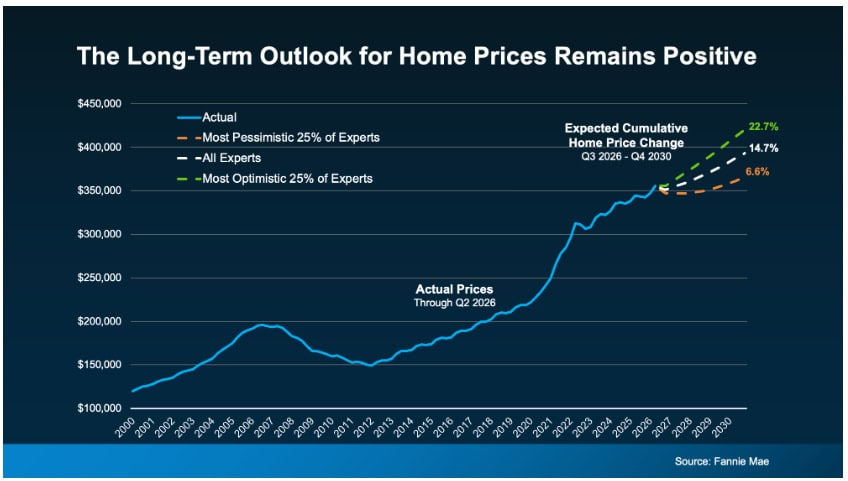
- Anchor your search with real price bands, then widen thoughtfully: In many “desirable” areas, expect roughly $400k–$900k+ to buy and $2,000–$4,000+/month to rent, with big metro-to-metro swings. Build three tiers, “ideal,” “workable,” and “stretch”, and list what you’d trade at each (extra bedroom vs. shorter commute vs. newer building). This keeps you from wasting weekends touring places that will blow up your budget or your schedule.
- Lock housing early with a two-track plan (rental-first and buy-ready): Even if you plan to buy, line up a 6–12 month rental option as your pressure-release valve, especially if a new job start date is fixed or clinical placements might shift. Prepare your “application packet” now (IDs, pay stubs/offer letter, references, pet records, proof of funds) so you can apply the same day you tour. The market can be tight; when the homeownership rate dropped, falling to 65.1% it reflected how quickly affordability can change.
- Do a neighborhood “systems test” in one afternoon: Drive the route to work/school, walk the block at dusk, test cell service, and locate your essentials within 10–15 minutes (grocery, urgent care, vet, pharmacy, park). Ask a few practical questions: Where will the dog be walked safely? Is there a quiet spot for online classes or study time? These small checks prevent the slow-burn stress that turns a move into burnout.
Relocation Q&A for Families and Pet Owners
Q: What should we book first to avoid last-minute chaos?
A: Start with the items that run out first: temporary housing (if needed), moving trucks or movers, and pet boarding or a pet-friendly hotel. Then lock in childcare gaps for moving week and your first week of work. Put every confirmation number in one shared note so no one is hunting through inboxes.
Q: How far ahead should we start paperwork and address changes?
A: Begin as soon as you have a signed offer and a realistic move window. Update IDs, school records, pet vaccination and microchip info, and insurance cards early, since processing times vary. Set a calendar reminder for mail forwarding and any license or registration deadlines.
Q: When should we hire professional movers versus DIY?
A: Hire pros when you have tight start dates, stairs, heavy furniture, or limited help. A successful move depends on organizing what you have and coordinating transportation details, and that coordination is what you are paying for. If you DIY, still use a written inventory and a loading plan.
Q: What utilities and services do people forget to transfer?
A: Internet, trash pickup, water, and any home security monitoring are the usual misses. Schedule shutoff and start dates with at least a two-day overlap so you are not without power or Wi-Fi. Take photos of meter readings and final bills before you hand over keys.
Q: How do we protect self-care when everyone is stressed and tired?
A: Pick two non-negotiables for the week, such as a 15-minute walk and a consistent bedtime for kids and pets. Keep one “open” evening with no packing so your nervous system gets a reset. If you are snappy or forgetful, treat it as a signal to simplify the plan, not push harder.
Turn Career Relocation Planning Into a Calm, Family-Safe Move
A career move can feel like a tug-of-war between work demands and keeping kids, partners, and pets steady. The way through is an effective move planning mindset: a relocation preparation summary that prioritizes family well-being during moves, pairs logistics with stress reduction strategies, and keeps decisions simple and timely. When the plan is clear, the household runs on fewer surprises, more rest, and a smoother handoff into a successful career relocation. A steady plan protects your family, pets, and peace of mind. Set the move date, back-plan the checklist, and delegate the remaining tasks so nothing important sits on one person’s shoulders. That follow-through builds stability now and resilience for every transition ahead.
Guest post by Hal Salazaar