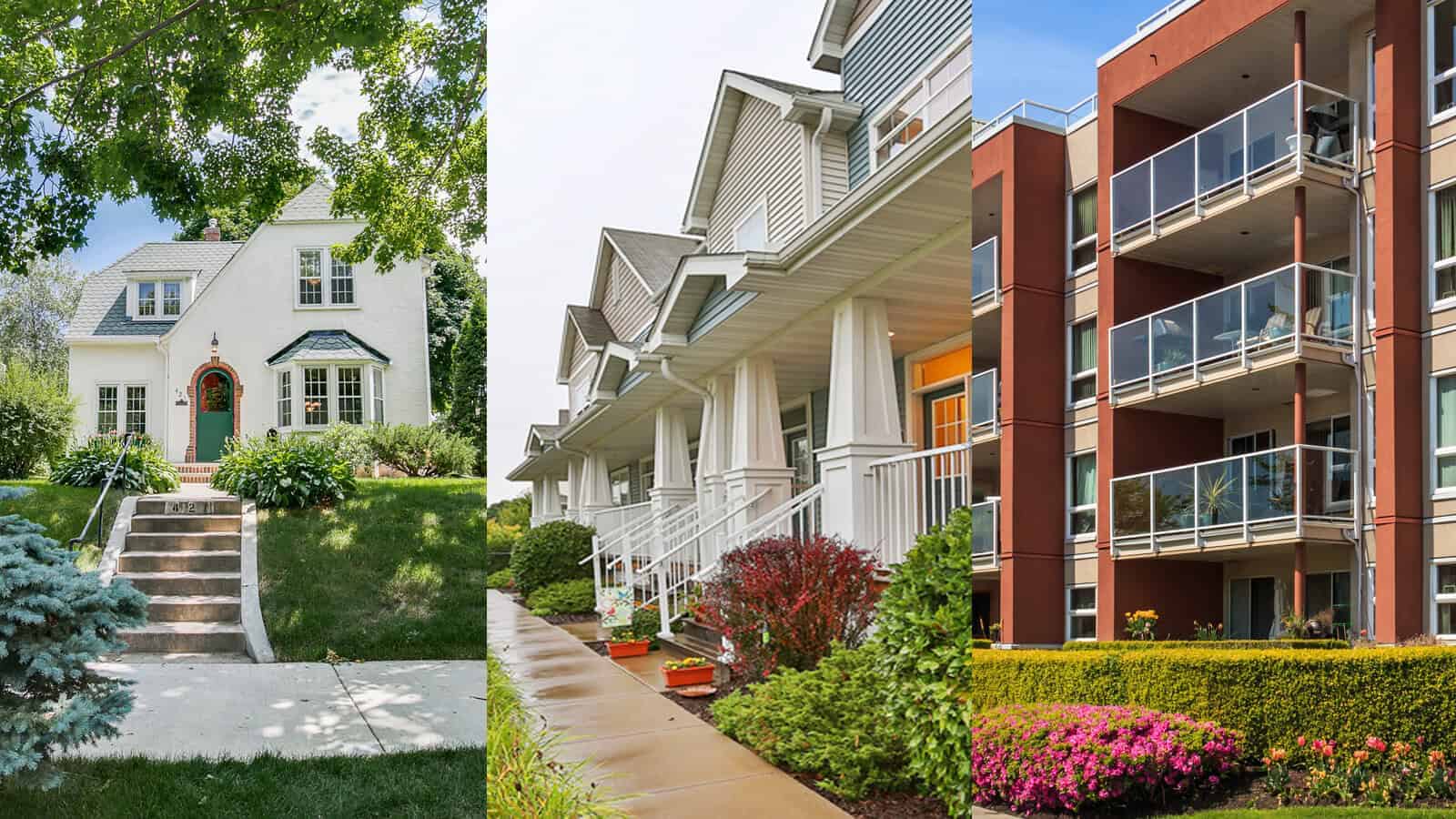
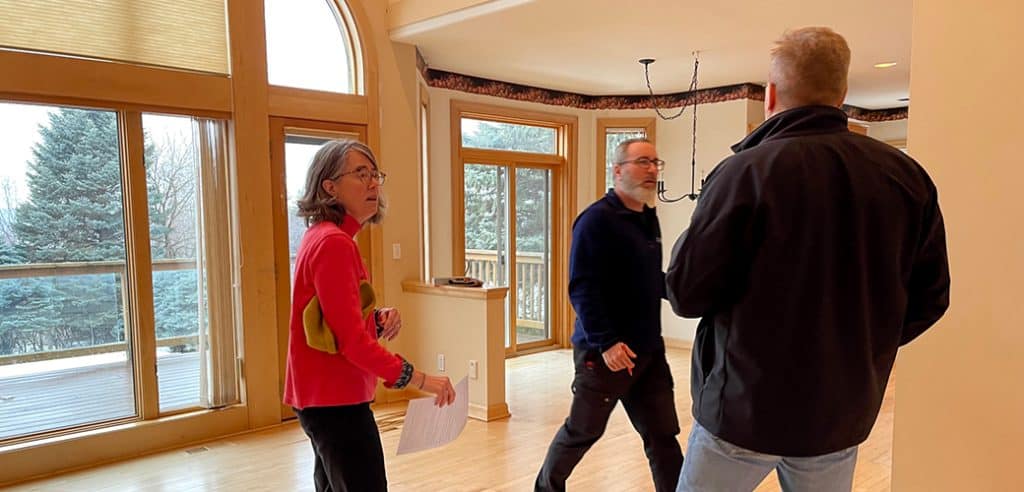
Home sellers who have already moved out face a unique situation: you’re managing a property you no longer live in, often while paying for your next home. A vacant house can feel exposed—financially and visually. But with the right structure, you can control costs, attract serious buyers, and close efficiently without being physically present.
Quick Takeaways
- Price strategically from the start to avoid extended carrying costs.
- Keep utilities on to support inspections and prevent damage.
- Invest in selective staging or cosmetic updates to warm up empty spaces.
- Offer incentives that reduce buyer risk and hesitation.
- Create a reliable local support system for showings and maintenance.
Managing Carrying Costs While You Wait
Vacant homes generate ongoing expenses. Instead of reacting month by month, approach them as part of a short-term investment strategy.
Before deciding where to cut expenses, evaluate how each cost affects your ability to sell.
| Expense Category | Why It Matters | Smart Adjustment |
| Utilities | Needed for inspections and walkthroughs | Lower settings but keep active |
| Lawn Care | Drives first impressions | Schedule routine service |
| Insurance | Vacancy may change policy terms | Confirm coverage with insurer |
| Cleaning | Dust builds quickly in empty homes | Book periodic touch-ups |
| HOA Fees | Ongoing obligation | Factor into pricing timeline |
Turning off electricity or water may save money short term, but it can delay inspections or cause preventable issues. Maintaining baseline functionality protects your timeline.
Protecting Buyer Confidence in an Empty Home
Another effective way to reduce buyer hesitation is offering to transfer protection at closing. Including home warranty coverage for homeowners can make your property more attractive by lowering the perceived risk of unexpected repairs. Buyers often worry about inheriting hidden issues, especially in a vacant home where systems haven’t been actively used. A home warranty is a customizable annual service plan that covers repair or replacement of major home systems and appliances, with optional add-ons to help homeowners manage unexpected repair costs due to normal wear and tear.
Creating a Showing-Ready System From Afar
Distance only becomes a liability if systems are unclear. Structure prevents friction.
Set up a dependable process so your home remains accessible and well-maintained:
- Install a secure lockbox with clear instructions.
- Schedule recurring exterior checks.
- Arrange landscaping and seasonal upkeep in advance.
- Keep blinds partially open to maximize natural light.
- Add exterior lighting for safety and appearance.
Buyers move quickly. If showing logistics are smooth, you’re less likely to miss opportunities.
Pricing for Speed Without Sacrificing Value
Once you’ve moved, urgency can creep in. But emotional pricing decisions often cost more than strategic ones.
Review recent comparable sales, especially other vacant properties. A strong launch price can generate early activity and reduce total days on market. The longer a home sits empty, the more buyers question why.
If adjustment becomes necessary, make decisive changes rather than small, incremental reductions. Extended vacancy drains resources and negotiating leverage.
Remote Seller Closing Plan
Use these tips to keep closing efficient and predictable:
- Complete all required disclosures digitally and early.
- Confirm remote notarization or mail-away signing options.
- Schedule final cleaning and yard service before walkthrough.
- Coordinate utility transfer dates with possession timing.
- Review your settlement statement ahead of closing day.
Preparation reduces last-minute surprises and keeps the transaction moving smoothly.
Home Seller FAQs
For sellers who have already relocated, these common questions often surface before accepting an offer or finalizing the sale.
Should I turn off utilities to save money?
In most cases, no. Active utilities allow inspections and final walkthroughs to proceed without delay. Shutting them off can create red flags or unexpected repair issues.
Is staging necessary if the home is already empty?
Not always, but it often helps. Even limited staging can improve photos and buyer perception. Well-presented homes typically generate stronger interest.
Will buyers offer less because the house is vacant?
Some may assume you want a quick sale. Strong pricing strategy and clean presentation reduce that perception. Incentives like flexible closing timelines can strengthen your position.
How can I manage repairs from another state?
Your real estate agent can coordinate licensed contractors locally. Request written estimates and photo documentation before and after work. Digital payment systems make the process manageable.
Can I close without traveling back?
Yes, many transactions allow remote or mail-away closings. Confirm identification and signing requirements early with your title company. Planning ahead prevents delays.
How do I protect the home while it is empty?
Maintain lighting, landscaping, and visible upkeep. Periodic check-ins from a neighbor or service provider deter issues. A well-maintained exterior signals that the property is monitored.
Conclusion
Selling after you’ve moved out requires discipline and structure. By managing costs intentionally, maintaining buyer confidence, and coordinating logistics early, you protect both your timeline and your negotiating power. Treat the process like a focused project. With preparation and clarity, even a vacant home can sell efficiently and on favorable terms.
Guest Post by Laura Carlson